
Whoa! I installed a Solana extension last week to test it. My first impression was that things moved fast and felt light. Initially I thought browser wallets were just minor conveniences, but then I realized they reshape how people interact with DeFi and NFTs on Solana because the UX and transaction fees change the game for everyday users. On one hand the convenience is incredible, though actually there are trade-offs around security and account recovery that make me pause in ways that a hardware wallet doesn’t.
Seriously? Phantom is the obvious go-to today. Setup is a few clicks and a handful of prompts. If you care about NFTs, the built-in gallery and media previews are delightful and make browsing collectibles feel more like shopping than wrestling with JSON blobs, so artist pages and lazy minting flows become instantly accessible to newcomers. That said, I’m biased, but I still keep a hardware wallet for large balances, because browser extensions can be attacked through phishing and browser exploits even when providers do their best.
Hmm… Here is what bugs me about some extensions these days. Permissions can be vague and you often authorize sites without realizing it. My instinct said that default permissions should be stricter, and after digging into transaction prompts I changed settings, but the path to granular controls was non-obvious and hid in menus where average users won’t look, which makes me uneasy. Actually, wait—let me rephrase that: the UX balances friction against safety, and sometimes the balance tips the wrong way when convenience wins and users sign something they didn’t read.
Here’s the thing. Use a few practical practices to stay significantly safer online. Seed phrases belong offline and never typed into a random site. Enable biometrics where possible, keep your OS and browser patched, and don’t mix small experimental wallets with the ones holding long-term savings or big NFTs because compartmentalization is the simplest security habit that avoids catastrophic loss. Also, when you install an extension you might be tempted to accept every default, though actually spending a minute to audit permissions and test with tiny amounts prevents dumb mistakes that are easy to regret.
Wow! If you want to try Phantom quickly, do it right. I linked the official download source for the browser add-on below. Grab it, create a new wallet or import a watch-only account, experiment with tiny transfers, and test sending an NFT back and forth so you understand how transaction confirmations look before you commit funds to staking or liquidity pools. Oh, and by the way… somethin’ I wish more people did is document their recovery steps in a secure place and rehearse account restores on secondary devices so recovery becomes second nature instead of a panic exercise when things go sideways.
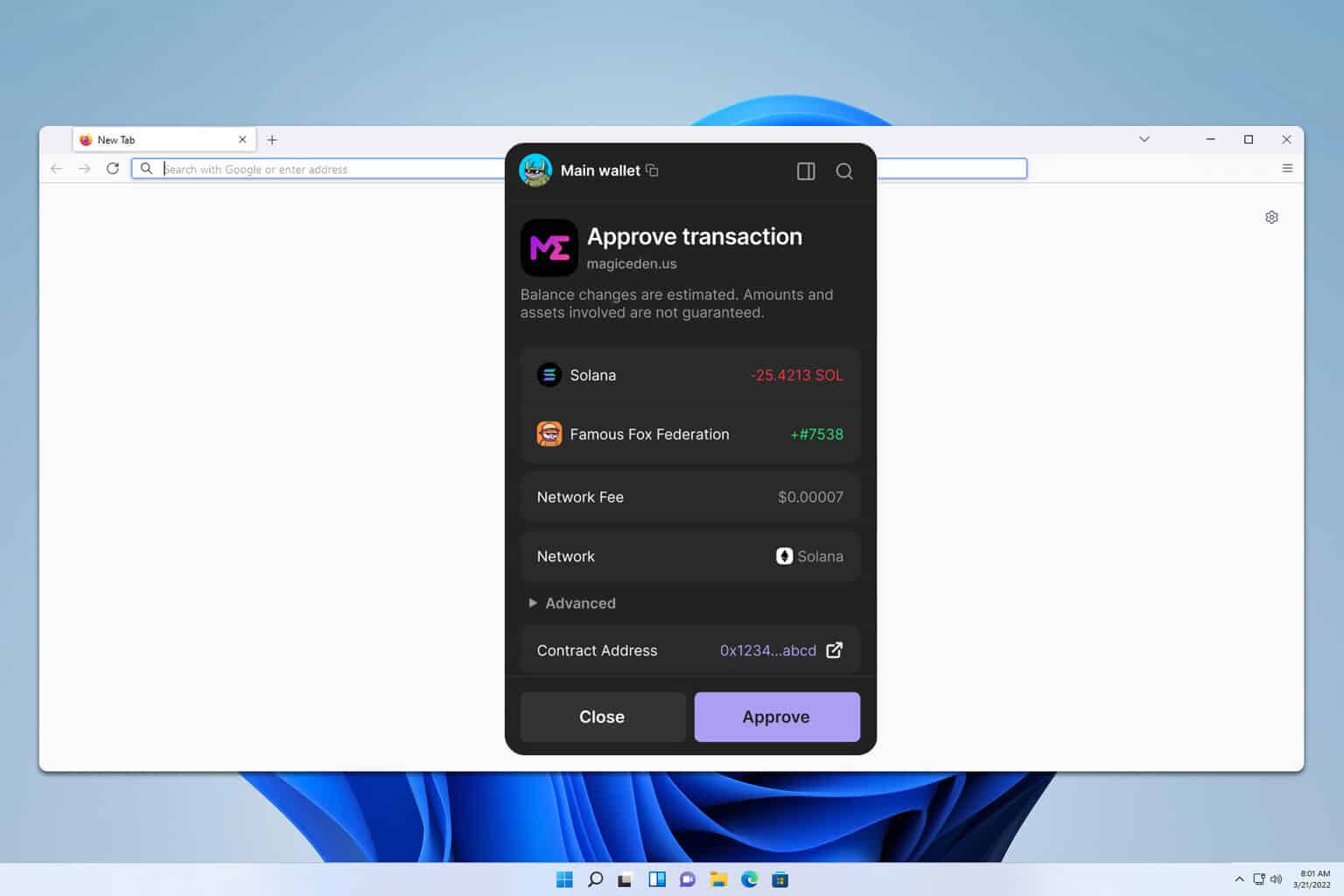
Get started safely
If you’re ready, use this link to the official browser add-on: phantom wallet download extension —install it, then follow the tips I mentioned above.
Seriously? DeFi on Solana today feels fast and remarkably cheap. But lower fees mean more experimentation and more potential scams. So you should vet projects, check contracts on explorers, and read community threads because the faster pace attracts both innovation and opportunism at once. On one hand speed democratizes access, though actually it also raises the stakes for UX clarity and trust mechanisms that are often immature in early-stage protocols.
Okay. Start with small amounts and scale up once comfortable. Use hardware for big holdings and multisig for teams. If a dApp asks to approve unlimited token transfers, that is a red flag; revoke approvals after use and keep an eye on on-chain allowances because bad actors rely on forgetting. I don’t have all the answers, I’m not 100% sure about every future threat vector, but sharing what I’ve learned helps you avoid obvious traps and feel more confident while you explore NFTs, staking, or yield strategies on Solana.
FAQ
Is a browser wallet safe enough?
Short answer: yes for small sums and daily use, no for long-term storage of large amounts. Use a hardware wallet for serious holdings and treat extensions like a handy daily driver rather than a vault.
How do I recover if something goes wrong?
Write your recovery phrase down offline, test recovery on a spare device, and keep multiple secure copies; if you lose the phrase you lose access, and that is very very important to remember.